
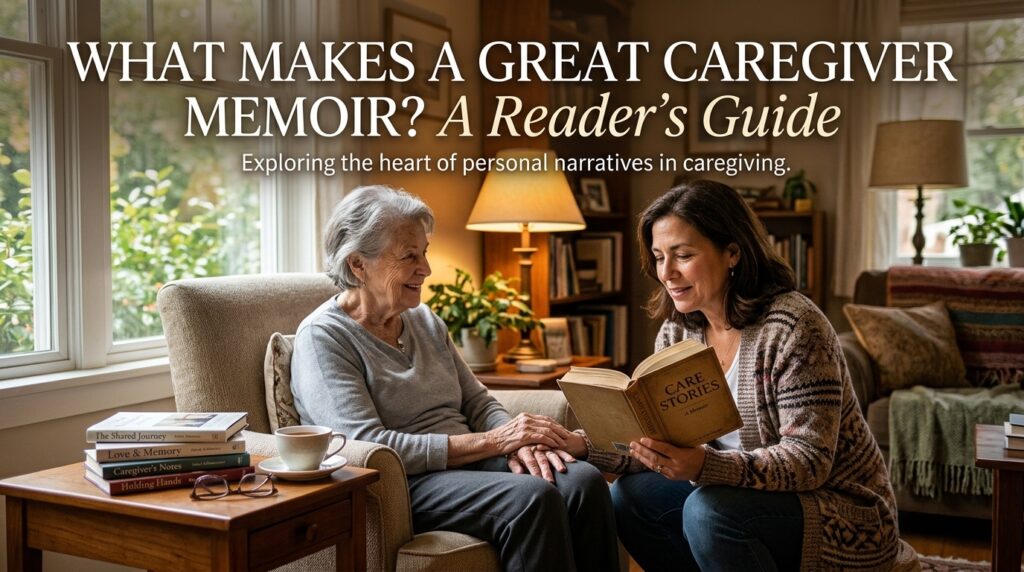
Caring for someone can be one of the most meaningful responsibilities a person takes on, but it can also be one of the loneliest. Caregivers spend their days looking after other people’s needs, managing difficult situations, and making sure someone else feels safe and supported. In the process, their own feelings often receive very little attention. For anyone experiencing this reality, finding a book for caregivers that understands the emotional side of the work can make a difference.
Rochelle Miller’s Home Made Care speaks directly to this experience. Drawing on 40 years of paid caregiving, Miller shares personal stories, lessons, and practical ways to handle situations that caregivers may encounter throughout their work. Rather than presenting caregiving as an easy or perfect profession, she approaches it as an honest conversation with readers who understand how demanding the responsibility can become.
For caregivers who sometimes feel misunderstood, exhausted, or isolated, this caregiver memoir offers something valuable: the reassurance that their experiences matter and that they are not the only ones facing difficult moments.
Caregiving involves much more than helping someone with everyday activities. It requires patience, emotional strength, flexibility, and the ability to respond to situations that do not always go according to plan.
A caregiver might begin the day with a clear schedule, only to face unexpected challenges that require immediate attention. Some days bring rewarding moments, while others involve frustration, emotional exhaustion, and difficult conversations.
The problem is that caregivers do not always have someone to talk to about these experiences. Friends and family members may appreciate their work without fully understanding what it involves. Even professional caregivers can feel isolated when they have to manage challenging situations without enough emotional support.
This is where a thoughtful book for caregivers becomes meaningful. Reading about someone else’s experiences can help readers recognize feelings they may have struggled to explain. It also reminds them that difficult days are part of caregiving, not evidence that they are failing at their responsibilities.
Home Made Care addresses this need through personal storytelling rather than distant observations. Miller shares experiences from four decades of working as a paid caregiver, giving readers an opportunity to connect with situations that may feel familiar.
Many caregiving resources concentrate on practical responsibilities, including personal care, daily routines, safety, and communication. These subjects are important, but they do not always address the emotional situations caregivers encounter.
Rochelle Miller takes a more personal approach. She describes Home Made Care as a casual conversation with the reader, sharing stories that have stayed with her throughout her 40-year career.
This conversational style is an important part of the book’s appeal. Instead of simply presenting instructions, Miller uses real experiences to introduce common challenges and discuss ways of dealing with them.
Each story is followed by suggestions related to the issue it presents. This gives readers an opportunity to consider how they might approach similar situations in their own work.
For someone looking for a caregiver memoir, this combination of personal experiences and practical suggestions makes the book particularly interesting. It does not rely on professional terminology or complicated explanations to communicate its message. Instead, it draws attention to the everyday realities of caring for another person.
Experience matters when discussing a profession that involves constant interaction with people who have different needs, personalities, and circumstances.
Rochelle Miller spent 40 years working as a paid caregiver. That length of experience provides the foundation for Home Made Care and informs the situations she chooses to share.
Four decades in caregiving can involve countless interactions, unexpected problems, emotional connections, and lessons that cannot always be learned from a handbook. Some situations require patience, while others demand quick thinking or a different approach to communication.
The value of Miller’s stories lies in their connection to everyday working experiences. Readers are not simply being told that caregiving can be difficult. They are invited to consider specific situations and the ways a caregiver might respond.
This makes the book relevant to people at different stages of their careers. New caregivers may recognize challenges they are beginning to encounter, while experienced professionals may find themselves remembering situations from their own working lives.
A caregiver memoir built around this kind of experience can offer an important perspective because it gives readers access to lessons gathered over many years.
One of the hardest parts of caregiving is feeling that nobody understands what happens behind closed doors.
Caregivers may experience situations that are difficult to discuss with others. They might feel frustrated after a challenging interaction, uncertain about a decision, or emotionally affected by someone else’s circumstances. Even when they care deeply about their work, these feelings can become overwhelming.
Reading personal accounts from someone who has spent decades in the same profession can help reduce that sense of isolation.
Home Made Care offers three important forms of reassurance:
Caregivers sometimes assume that their struggles are unusual or that other professionals handle everything more easily. Personal stories can challenge that assumption.
When readers recognize familiar situations in Miller’s experiences, they may feel more comfortable acknowledging their own challenges.
Caregiving is not always rewarding or emotionally comfortable. Some days are frustrating, and some situations require difficult decisions.
The conversational approach of this book for caregivers makes room for those realities without pretending that every experience has a simple solution.
After each story, Miller includes ways of dealing with the issue discussed. These suggestions give readers something practical to consider instead of leaving them with an experience they can only relate to emotionally.
For caregivers, knowing that someone else has faced similar situations and learned from them can provide comfort and perspective.
Although the book is especially relevant to paid caregivers, its subject matter can connect with a wider audience.
It may appeal to:
For anyone searching for a book for caregivers that goes beyond basic instructions, Home Made Care offers a personal perspective worth considering.
Readers interested in a caregiver memoir may also appreciate books that explore family responsibilities, emotional challenges, aging, and the relationships formed through care.
Here are some additional titles to consider.
Author: Rochelle Miller
At the top of the list is Home Made Care, a personal collection of stories drawn from Rochelle Miller’s 40 years as a paid caregiver.
The book combines experiences from her career with suggestions for handling the issues discussed in each story. Its conversational approach makes it relevant to readers who want to understand the everyday realities of caregiving from someone who has spent decades doing the work.
This widely recognized caregiving resource focuses on supporting people living with Alzheimer’s disease and other dementias. It discusses the practical and emotional responsibilities that families and caregivers may encounter.
It is particularly useful for readers looking for guidance on dementia care.
Atul Gawande examines aging, medical care, independence, and the decisions people face toward the end of life. The book encourages readers to consider the importance of dignity and personal choice when caring for others.
This book addresses the challenges caregivers encounter while looking after loved ones. It offers guidance on managing responsibilities, maintaining personal well-being, and finding ways to handle the demands of caregiving.
Through illustrations and personal storytelling, Roz Chast explores her experience of caring for her aging parents. The book addresses family relationships, difficult decisions, and the emotional realities of supporting elderly parents.
These titles approach caregiving from different perspectives, giving readers several ways to understand the responsibilities and relationships involved.
Caregiving is often discussed in terms of tasks, schedules, responsibilities, and professional standards. While these elements are necessary, they do not tell the complete story.
Behind every responsibility is a person trying to provide good care while managing their own emotions and personal life. Their experiences deserve attention, too.
A caregiver memoir can help bring these experiences into everyday conversations. It allows readers to recognize the emotional side of caregiving and understand that professional experience often comes with lessons that are difficult to capture in formal training materials.
Why This Matters: Recommendations about caregiving books should consider both practical value and the human experiences behind the profession. Firsthand accounts, such as Miller’s 40 years of paid caregiving experience, provide a personal perspective that readers can evaluate alongside professional caregiving resources.
Caregivers spend much of their time making life easier for other people. They offer assistance, provide comfort, solve problems, and respond to needs that can change from one day to the next. Yet their own experiences can go unnoticed.
Rochelle Miller’s Home Made Care gives those experiences a place through stories collected over 40 years of paid caregiving. Its conversational approach, familiar situations, and practical suggestions make it an appealing read for people who want to feel understood while learning from someone else’s experiences.
For readers searching for a book for caregivers that recognizes the emotional realities of the profession, this title deserves attention. More than a collection of workplace stories, it is an opportunity to reflect on the challenges, lessons, and human connections that make caregiving such a personal responsibility.
Sometimes, knowing that someone else has been through similar situations is enough to make a difficult day feel a little less lonely.